The long-term resorbable, load-bearing
biological rotator-cuff implant
Silkogen is bringing a textile implant to the market that augments repair with mechanical support, enables tissue ingrowth, and degrades gradually as native tissue takes over.
SilkoPatch
Early mechanical support + biocompatibility + long-term degradability
Rotator cuff tears are among the most common orthopedic injuries. Repair remains challenging, particularly in larger or complex tears, because the repaired tissue has to withstand mechanical loads while healing takes place. Existing augmentation approaches have limitations mainly regarding biocompatibility (chronic inflammation) or mechanical properties (retear).
Silkogen’s silk-based augmentation patch is designed to support rotator cuff repair with reliable early mechanical stability and a clear biological pathway toward tissue integration. Its value lies in combining biocompatibility, long-term degradation, and gradual load transfer in one implant.
Currently in pre-clinical development.
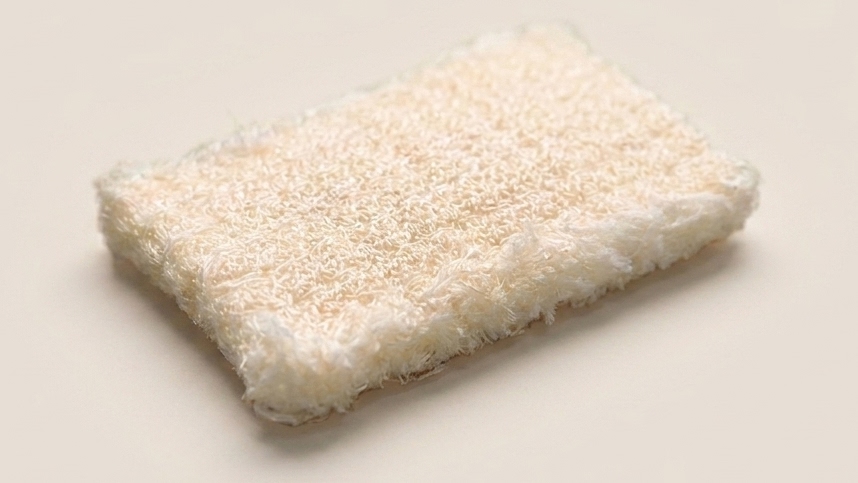
SilkoPatch rotator cuff repair implant
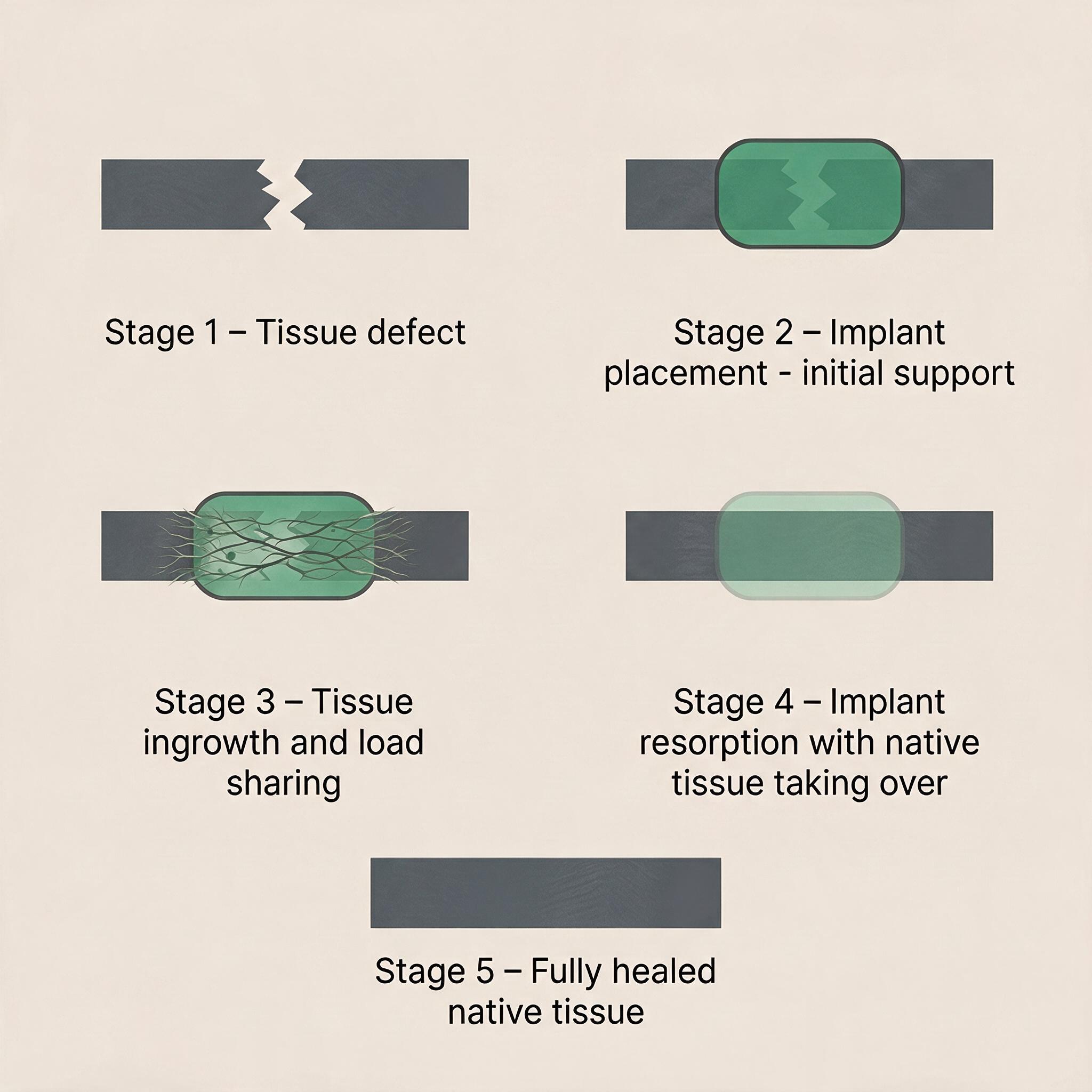
Silkogen’s implant mechanism:
from defect to fully restored native tissue
Product benefits
- Mechanical support during healing. Helps reinforce the repair at an early stage.
- Biocompatible. Designed to work with the body’s healing response.
- Long-term degradable. Supports repair temporarily and then gradually resorbs.
- Tissue ingrowth. Intended to enable integration with newly forming tissue.
- Gradual load sharing. Shifts load from implant to native tissue over time.
Silkogen Platform
One platform. Multiple possibilities.
Silkogen is building a new generation of resorbable, load-bearing implants for tissue repair, all from a single silk fibroin platform.
Using our patented process, we engineer different textile architectures, shaping each implant to the mechanical and biological demands of the tissue it supports. Knitted, woven, spun or formed into membranes, the same native fiber stays at the core.
fibroin
Different textile architectures
The fiber stays at the core. The fabric changes to meet the application.
Illustrative textile architectures.
CLINICAL APPLICATIONS
LEAD APPLICATION
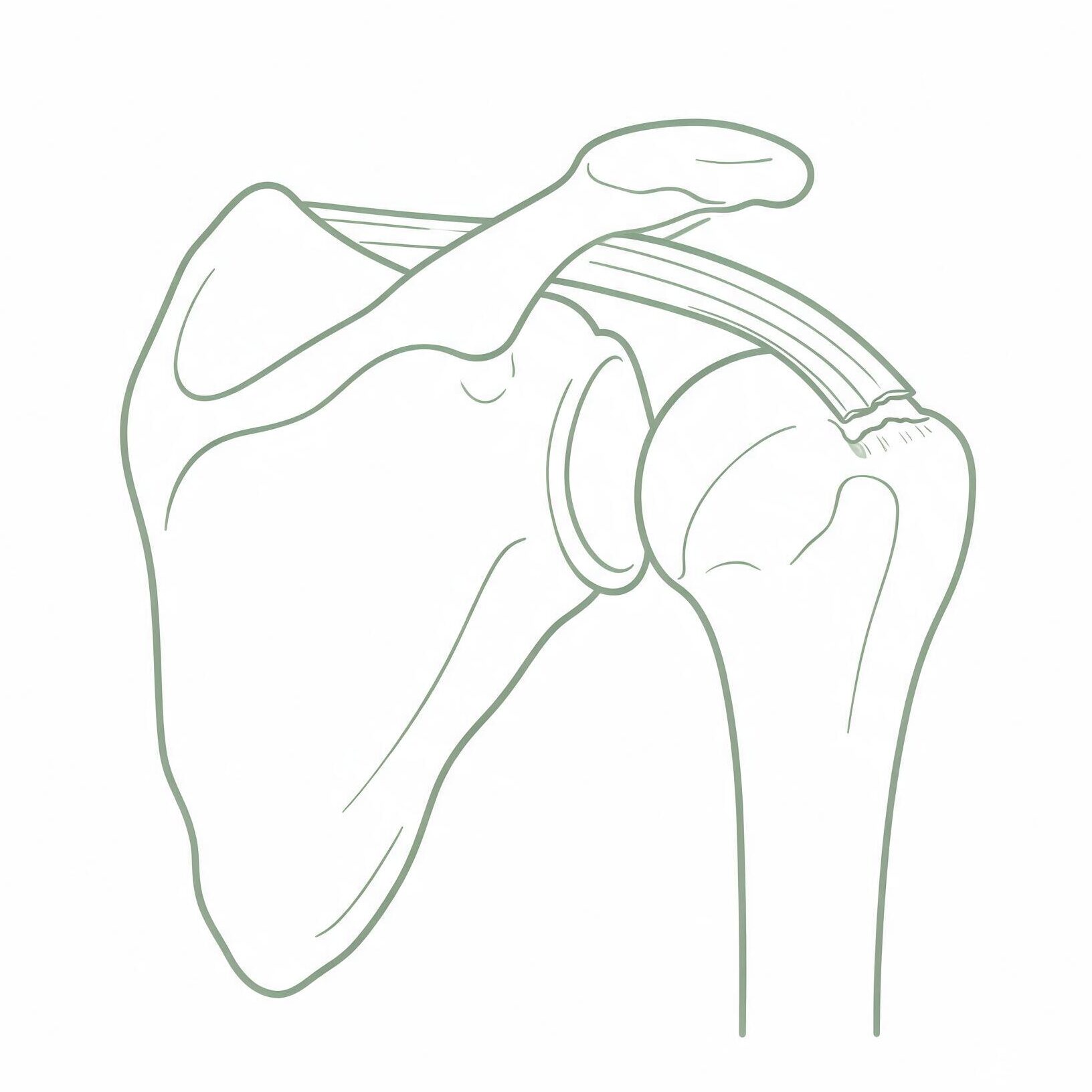
Rotator cuff repair
Load-bearing augmentation with gradual load transfer to native tendon.
ADJACENT APPLICATIONS
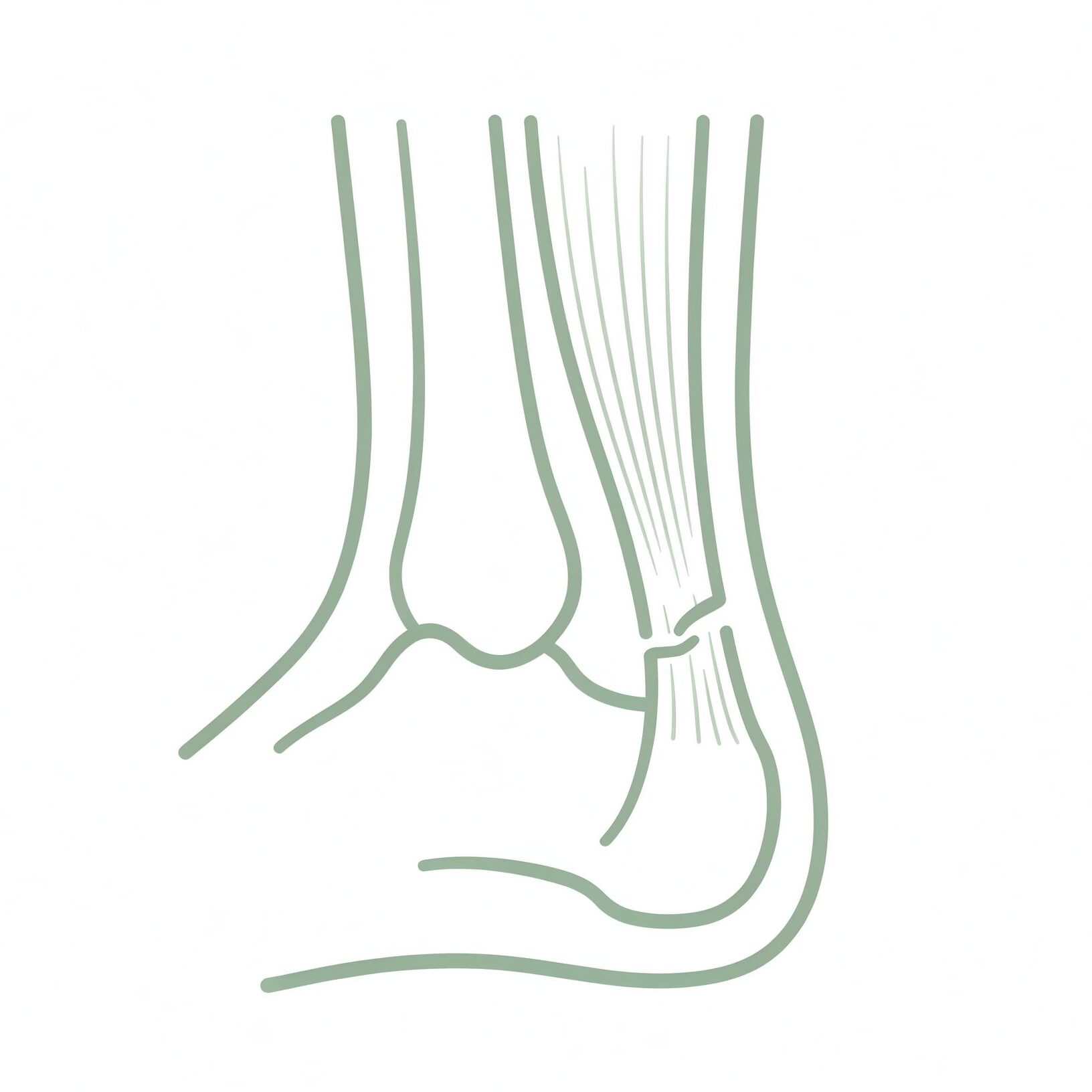
Tendon & soft-tissue reinforcement
Flexible silk-based concepts for demanding repairs.
PLATFORM OPPORTUNITIES
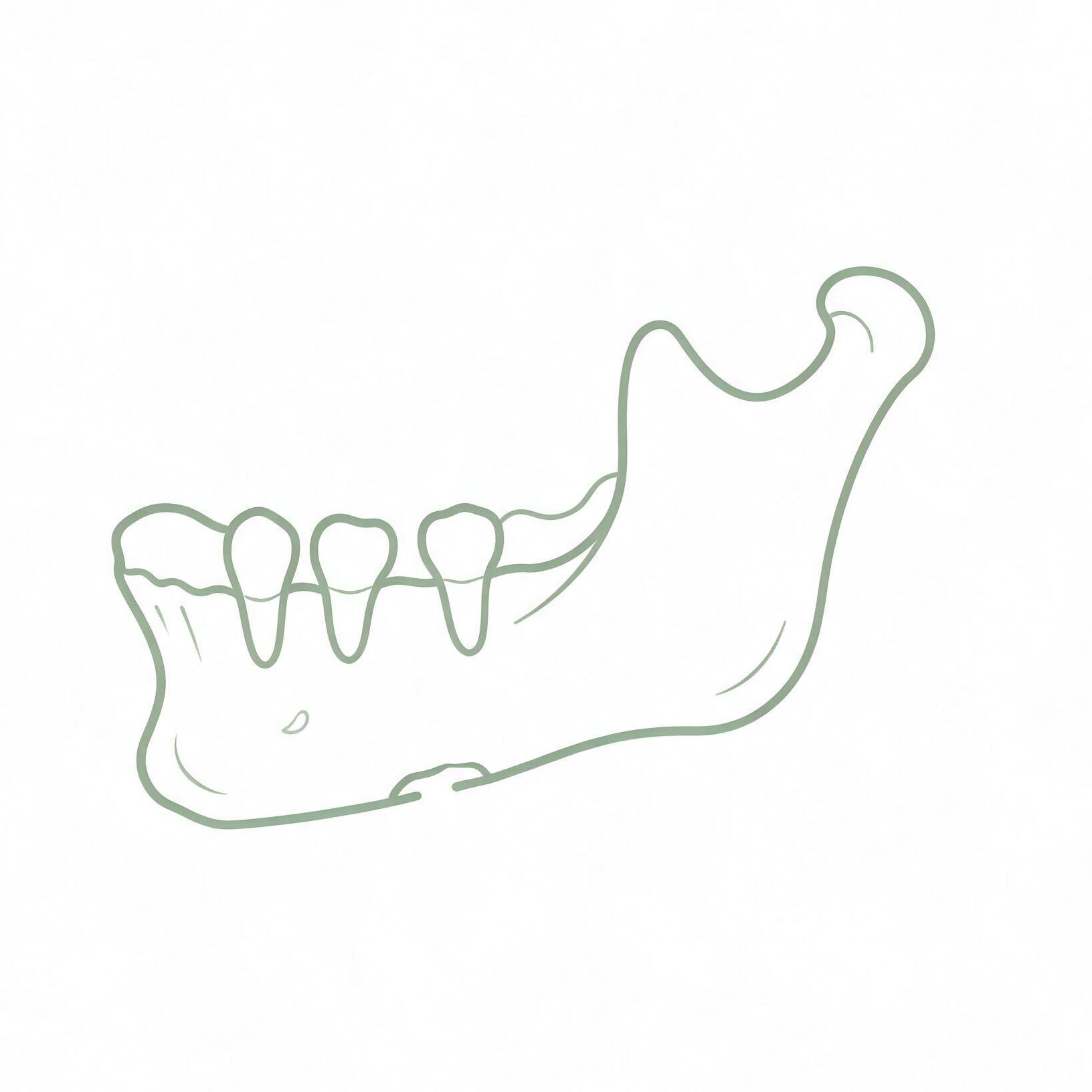
Bone, dental & maxillofacial
Regenerative and membrane-based concepts enabled by Silkogen’s silk-fibroin platform.
One native fiber. Different architectures. Designed for different clinical needs.
Technology
Proprietary process preserving silk’s strength while making it biocompatible
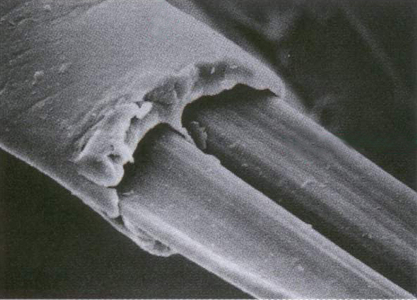
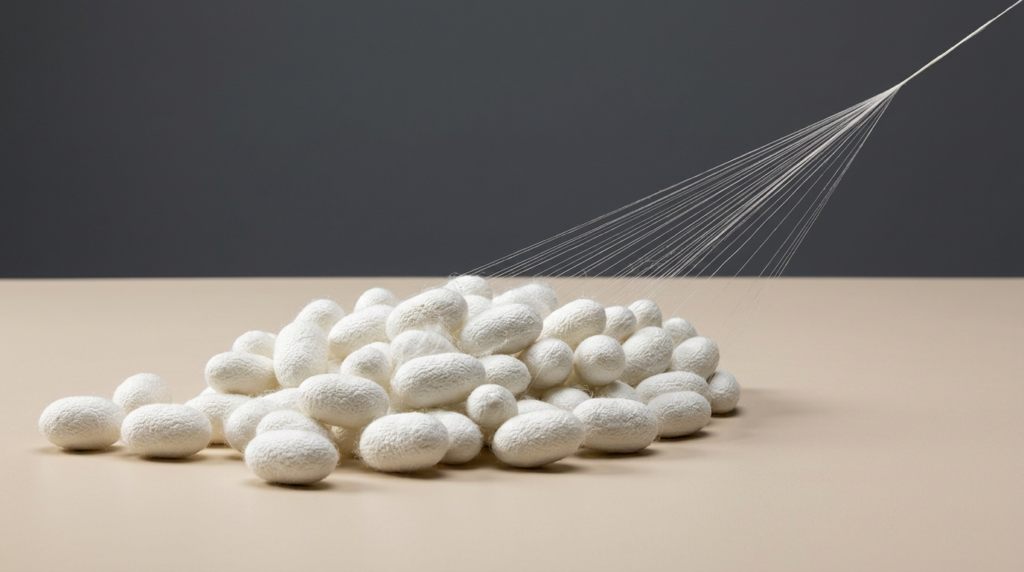
Silk fiber with fibroin fibers and outer sericin layer
Silkogen’s proprietary processing technology preserves the inherent strength and integrity of natural silk fibers while ensuring their suitability for medical use. Unlike conventional purification methods that can weaken the fibers, our approach maintains durability, flexibility and tensile strength.
A central issue for implantable silk is sericin, the outer coating protein, which is associated with undesirable immune responses if left on the material. Silkogen’s process effectively removes sericin, even from complex three-dimensional textile constructs, while avoiding the typical loss of strength seen with other methods. This results in a sericin‑free silk fibroin that remains mechanically robust.
The outcome is a biomaterial that combines structural stability with biological compatibility. It is designed to integrate with surrounding tissue and be safely resorbed over time, supporting natural healing without permanent residues. In practice, surgeons finally get a fully biocompatible silk‑based implant they can trust to hold under load during healing and gradually hand over function to regenerating tissue.
Studies, Science & Tech
Underlying patents
- Teuschl et al. Product made of native silk fibres. WO2014049129A1
- Teuschl et al. Product made of silk. WO2014049134A1
Key publications for biomedical silk use
- Holland, C., Numata, K., Rnjak‐Kovacina, J., & Seib, F. P. (2019). The biomedical use of silk: past, present, future. Advanced healthcare materials, 8(1), 1800465.
- Li, G., Li, Y., Chen, G., He, J., Han, Y., Wang, X., & Kaplan, D. L. (2015). Silk‐based biomaterials in biomedical textiles and fiber‐based implants. Advanced healthcare materials, 4(8), 1134-1151.
Foundational silk fibroin science
Silkogen’s technology builds on research into silk fibroin processing, material properties, and biomedical applications.
Preclinical evaluation of the rotator cuff implant is ongoing, with results in preparation for publication.
- Teuschl, A. H., Tangl, S., Heimel, P., Schwarze, U. Y., Monforte, X., Redl, H., & Nau, T. (2019). Osteointegration of a novel silk fiber–based ACL scaffold by formation of a ligament-bone interface. The American journal of sports medicine, 47(3), 620-627.
- Teuschl, A. H., Van Griensven, M., & Redl, H. (2014). Sericin removal from raw Bombyx mori silk scaffolds of high hierarchical order. Tissue Engineering Part C: Methods, 20(5), 431-439.
- Teuschl, A., Heimel, P., Nürnberger, S., Van Griensven, M., Redl, H., & Nau, T. (2016). A novel silk fiber–based scaffold for regeneration of the anterior cruciate ligament: histological results from a study in sheep. The American Journal of Sports Medicine, 44(6), 1547-1557.
- Nau, T., Teuschl, A., & Redl, H. (2020). Regeneration and osteointegration of the anterior cruciate ligament with a new silk fibre-based scaffold. In Orthopaedic Proceedings (Vol. 102, No. SUPP_8, pp. 51-51). Bone & Joint.
- Nau, T., Monforte, X., Kropik, K., & Teuschl-Woller, A. (preprint). Primary Fixation Stability of a Novel Silk-Fiber Scaffold for ACL Regeneration: An In-Vitro Biomechanical Evaluation of Three Techniques. Available at SSRN 6219258.
Team
Management

Gabriel Tirouflet
CEO
Economist by training, Gabriel spent the last 15 years in innovation management in the medical device industry. He has managed P&Ls and raised funds from private investors, family offices and investment funds. He also built strong partnerships, performed due diligence and negotiated deals across multiple jurisdictions. International outlook, he lived and worked in 4 European countries and speaks French, German and English.
His main leadership experience was at Medimaps (2010 – 2015) and Molzym (2019 – 2023). Gabriel earned his diploma from Paris Dauphine University and INSEAD.
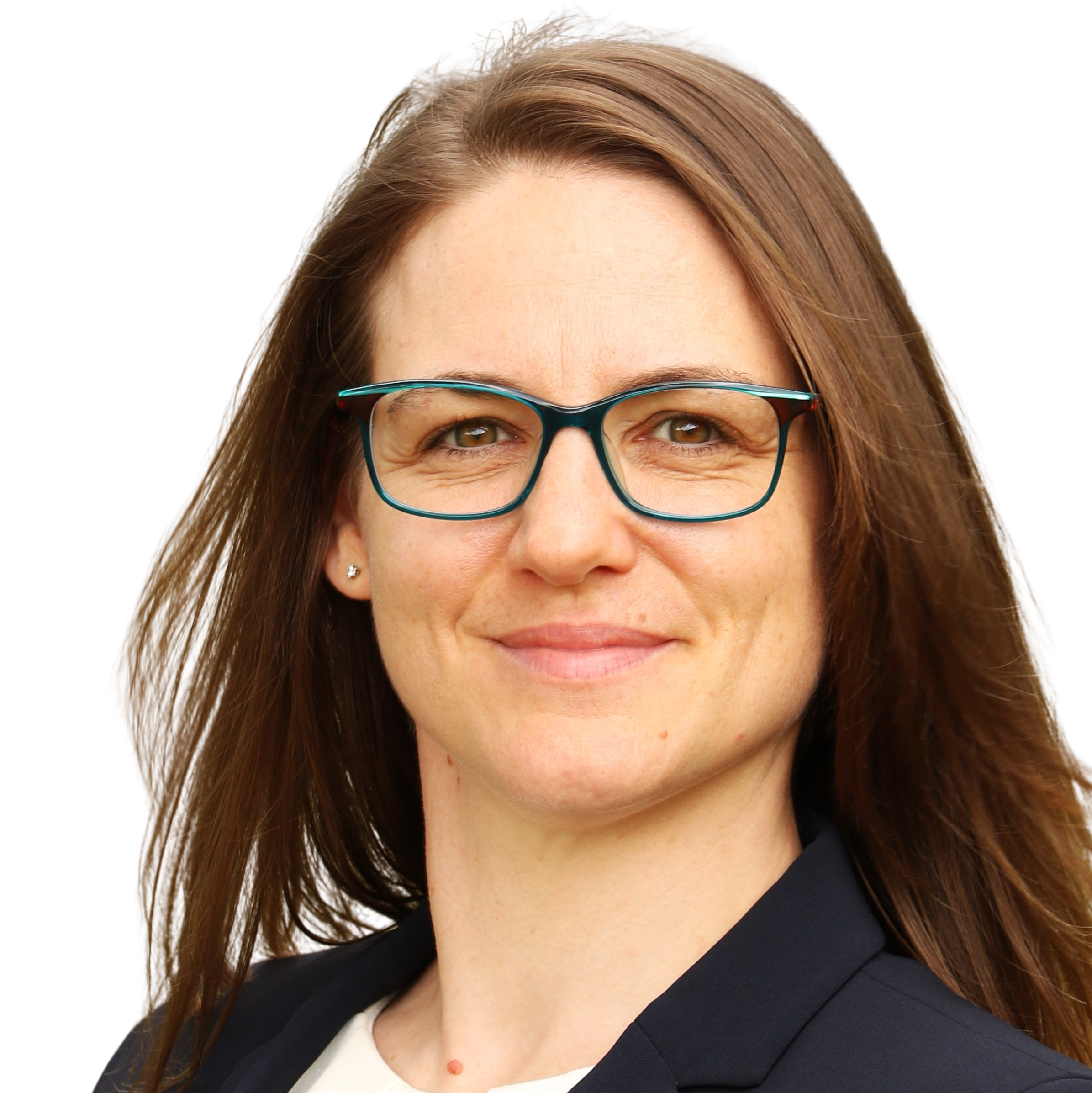
Katharina Cooper
Head of R&D
Katharina is a translational science leader with more than eight years of experience in regenerative medicine, biomaterials and tissue engineering. As Research Group Leader at Auregen BioTherapeutics, she led multidisciplinary R&D teams developing biomaterial-enabled regenerative therapies and translating products from laboratory research through GMP manufacturing and clinical evaluation. Her expertise spans scientific strategy, product development and translational execution. Katharina holds a PhD in Tissue Engineering from the University of Wollongong (Australia).
Felix Male-Norman
Head of RA
Felix combines a strong biomedical engineering background with five years of hands-on experience developing silk-based orthopedic implants and regenerative medicine applications at MorphoMed. His work covers regulatory strategy, quality management and product development, translating scientific and technical evidence into clear, compliant documentation. With expertise in silk fibroin as a biomaterial platform, he supports robust development pathways from early research to regulatory preparation. Felix holds an MSc in Biomedical Engineering from TU Vienna.